Alzheimer's Doesn't Start in the Brain You Think It Does
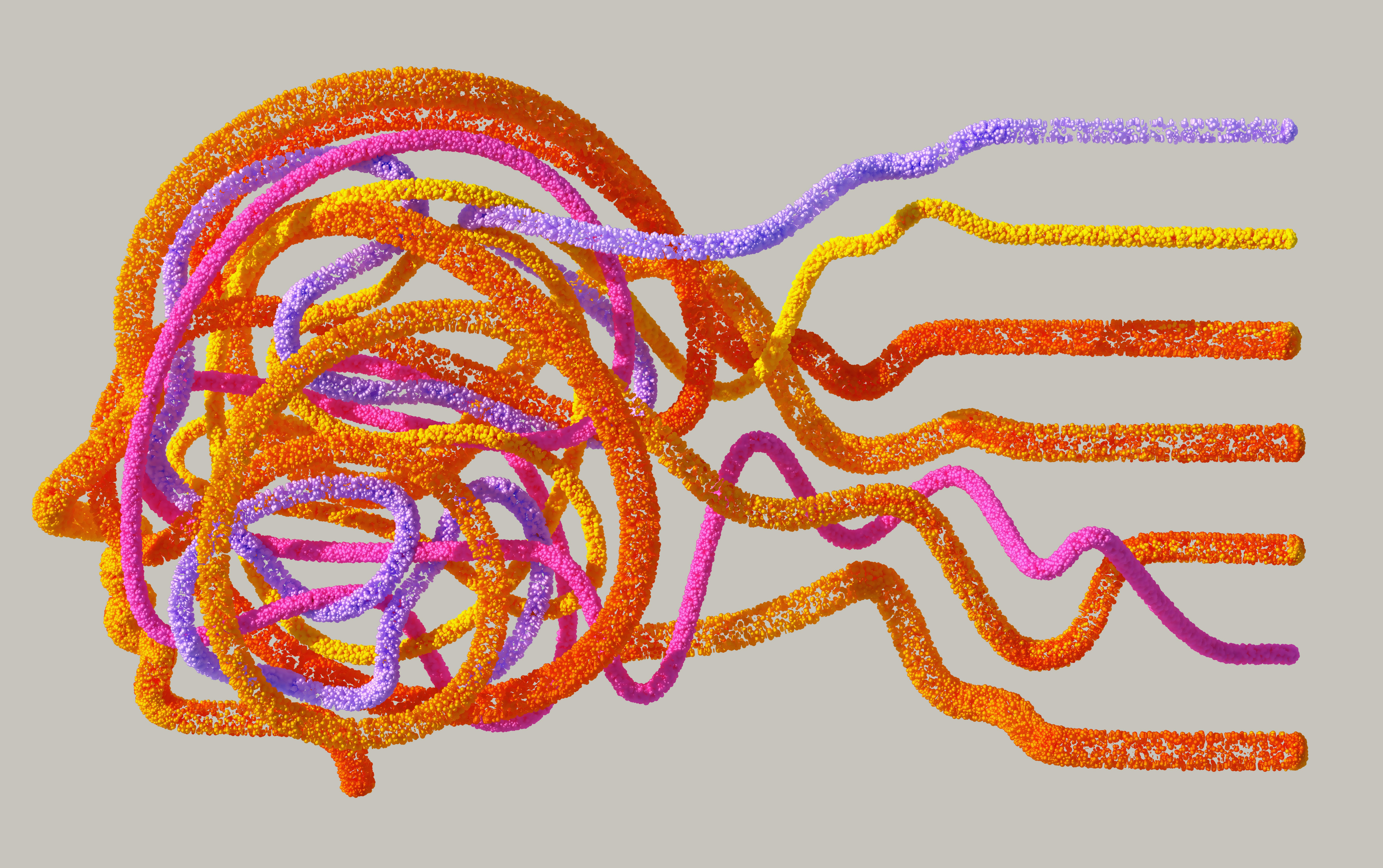
Have you ever wondered why one person stays sharp into their 90s while another begins forgetting names in their 60s?
For decades, we've been told Alzheimer's is simply bad luck or bad genes — something that happens to you, with nothing to do until it arrives. But the more we learn about the brain, the clearer one thing becomes: cognitive decline doesn't begin the day symptoms appear. It begins 20 to 30 years earlier — and it rarely begins in the brain alone.
Alzheimer's, Dementia, and the Umbrella
First, some clarity. Dementia is the umbrella term for significant decline in memory and thinking. Alzheimer's is the most common type underneath that umbrella, alongside vascular dementia and others. Understanding which is which matters, because the drivers — and the opportunities for prevention — can differ.
A Brain Running Out of Fuel
Here's what surprises most people: long before memory fails, the brain often develops an energy problem.
Your brain is only about 2% of your body weight, yet it burns roughly 20% of your fuel. When brain cells become insulin resistant — when they stop responding well to the hormone that helps them use glucose — regions of the brain can literally begin to starve. Brain scans can detect this reduced glucose use decades before diagnosis.
This connection is so strong that some researchers have taken to calling Alzheimer's "type 3 diabetes." Blood sugar isn't just a metabolic issue. It's a brain issue.
It's also why ketones — the fuel your body produces from fat — are being studied as an alternative energy source for struggling brains, and why the mitochondria (the energy factories inside every brain cell) sit at the center of so much brain-aging research.
The Plaque Question
The famous amyloid plaques of Alzheimer's may not be the villain we assumed. Emerging research suggests plaque can form as part of the brain's protective response — the immune system reacting to threats like chronic inflammation, infections, and toxins. If that's true, the better question isn't "how do we remove plaque?" but "what is the brain protecting itself from?"
The usual suspects form a familiar list:
Chronic inflammation — the slow burn researchers call "inflammaging." Gut health — a compromised gut lining can let bacterial fragments (LPS) into circulation, stoking neuroinflammation. There is such a thing as "leaky brain." Toxins and mold — environmental exposures the body struggles to clear. Vascular dysfunction — blood pressure and cardiovascular health directly shape blood flow to the brain. Hormone issues — thyroid function and the hormonal shifts of menopause influence cognition. Chronic infections — lingering, low-grade infections that keep the immune system on alert. Poor sleep — deep sleep is when the brain's glymphatic system washes out the day's waste. Skip the rinse cycle for years, and debris accumulates.
Notice something? Almost none of those start in the brain.
Genes Load the Gun. Lifestyle Pulls the Trigger.
Yes, genetics matter — carrying the APOE4 gene raises risk. But risk is not destiny. Genes set the stage; blood sugar, inflammation, gut health, sleep, hormones, and toxin exposure largely write the script. That's actually good news, because those are things we can test, see, and change.
A Different Question
Instead of asking,
"Will I get Alzheimer's?"
Try asking,
"What is my brain responding to right now?"

At Soaak Clinics, our brain health testing looks at the whole system, blood sugar and insulin, inflammation markers, gut health, hormones, and cardiovascular function, because protecting your memory starts decades before memory becomes the problem.
The best time to care for your brain was 20 years ago. The second-best time is today.
You May Also Like

Chronic Fatigue: Why You're Always Tired (And Why It's Not Just "Getting Older")
Have you ever slept a full eight hours and still woken up exhausted? Or hit that 2 p.m. wall every single day, no matter how much coffee you've had? Maybe you've mentioned it to a doctor and heard some version of: "Your labs look fine. You're just busy. It's normal at your age." Common does not mean normal. Fatigue is one of the most dismissed symptoms in healthcare — and one of the most important. Because fatigue isn't a diagnosis. It's a message. Your body is telling you that somewhere, energy is being drained faster than it's being made. The question is where.

Fibroids, Polyps, Heavy Bleeding & Painful Periods: What Is Your Body Trying to Tell You?
We hear it all the time: “It must be my hormones.” Heavy periods. Fibroids. Polyps. Painful cycles. Mood swings. Anxiety. Irritability. Feeling emotionally unlike yourself. And yes, hormones may absolutely be involved. But hormones are chemical messengers. So instead of immediately blaming the messenger, what if we asked: WHY has the message changed? These symptoms have become so common that we've almost started accepting them as a normal part of being a woman. Common does not mean normal. I see symptoms as whispers from the body. They're information saying, “Look deeper. Something needs your attention.”


