Gut Health
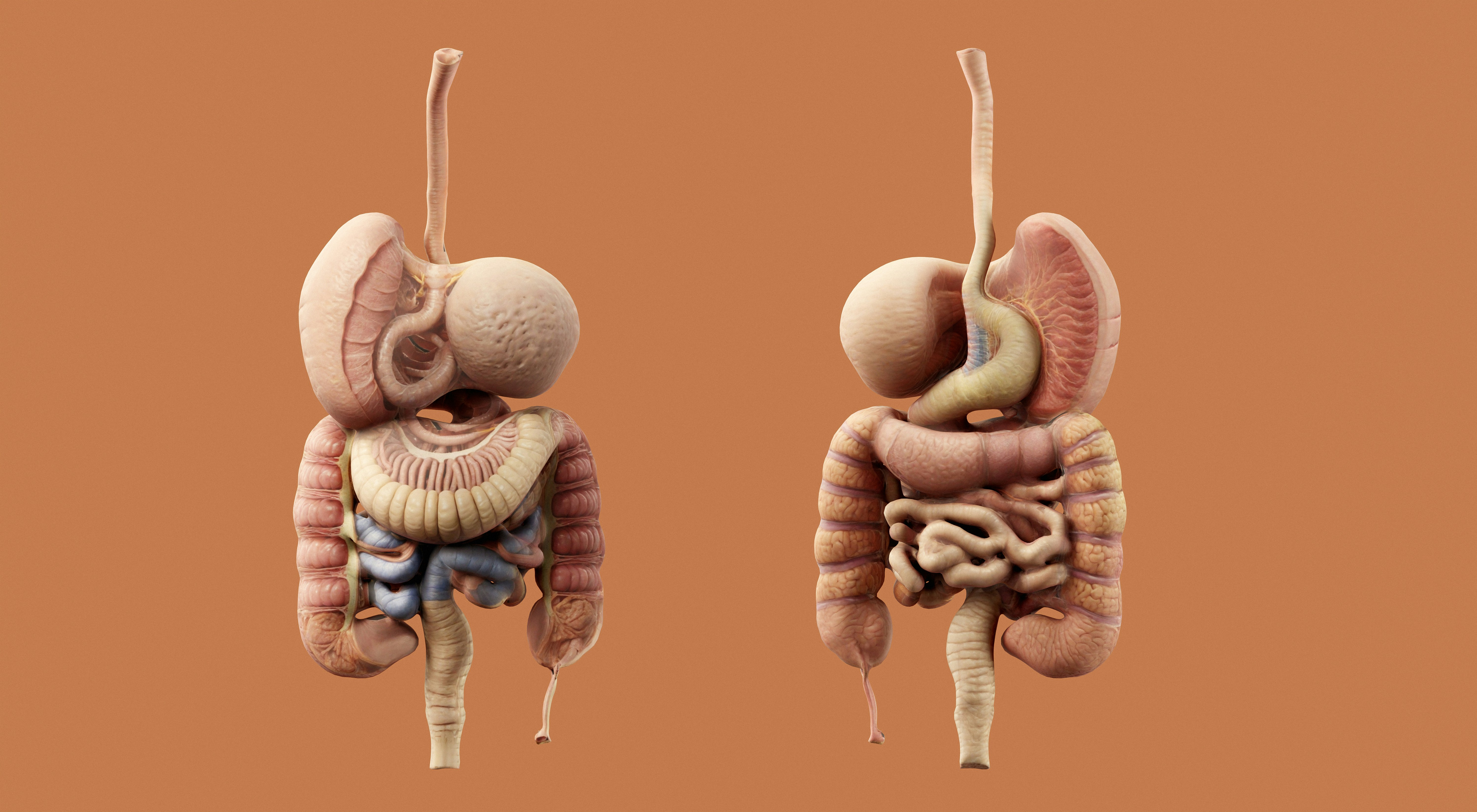
Your Gut: Where Your Immune System Actually Lives
Have you ever noticed that when your digestion is off, everything else seems off too? Your energy dips, your skin acts up, you catch every cold going around, and even your mood feels heavier.
That's not a coincidence. That's your gut talking.
The 70% Most People Have Never Heard About
Here's something that surprises almost everyone: roughly 70% of your immune system lives in and around your gut, specifically within the tissue known as gut-associated lymphoid tissue (GALT). Because your digestive tract interacts directly with everything you consume, this massive concentration of immune tissue serves as the body’s primary defensive barrier against pathogens.
Your digestive tract isn't just a tube that processes food. It's home to trillions of bacteria, your gut microbiome, and it's lined with immune tissue that is constantly sampling everything you eat, deciding what's your friend and what's foe. Millions of beneficial gut bacteria communicate closely with these immune cells. They teach your immune system to tolerate harmless food particles while actively attacking dangerous viruses and bacteria.
When your gut is healthy, your immune system gets clear signals. When your gut is struggling, your immune system gets confused signals.
And a confused immune system often responds the only way it knows how: inflammation.
Inflammation: Helpful Fire or Slow Burn?
Inflammation isn't the enemy. It's your body's repair crew. When you cut your finger or fight off a virus, inflammation is exactly what you want, fast, focused, and finished.
The problem is chronic, low-grade inflammation. The kind that never fully turns off.
When the gut lining becomes irritated, by processed foods, stress, medications, poor sleep, or an imbalanced microbiome, the immune system can stay on high alert. That simmering inflammation doesn't stay in the gut. It travels.
Chronic inflammation has been connected to:
- Fatigue
- Joint aches
- Brain fog
- Low mood
- Skin issues like eczema and acne
- Hormone issues and irregular cycles
- Blood sugar swings
Notice how few of those symptoms feel like "gut problems." That's why so many people chase symptoms in five different directions when the conversation needs to start in one place.
Your Gut Is Always Listening
Every meal is a message, every night of sleep is a message, every stressful week is a message.
Your gut receives these inputs and responds by strengthening its lining or weakening it, feeding beneficial bacteria or starving them, calming the immune system or provoking it.
This is why a holistic health approach doesn't hand you a pill for the symptoms and call it done. A functional doctor looks upstream: What is the gut being asked to respond to? What's feeding inflammation? Where did the imbalance actually begin?
A Different Question
Instead of asking,
"Why do I keep getting sick?"
Try asking,
"What is my gut telling my immune system?"
At Soaak Clinics, we use comprehensive gut health testing to look at your microbiome, digestion, inflammation markers, and immune function together, because they were never separate to begin with.
When you heal the gut, you're not just fixing digestion. You're retraining your immune system, calming inflammation, and often improving symptoms you never thought were connected.
Because everything is connected.
You May Also Like

Chronic Fatigue: Why You're Always Tired (And Why It's Not Just "Getting Older")
Have you ever slept a full eight hours and still woken up exhausted? Or hit that 2 p.m. wall every single day, no matter how much coffee you've had? Maybe you've mentioned it to a doctor and heard some version of: "Your labs look fine. You're just busy. It's normal at your age." Common does not mean normal. Fatigue is one of the most dismissed symptoms in healthcare — and one of the most important. Because fatigue isn't a diagnosis. It's a message. Your body is telling you that somewhere, energy is being drained faster than it's being made. The question is where.

Fibroids, Polyps, Heavy Bleeding & Painful Periods: What Is Your Body Trying to Tell You?
We hear it all the time: “It must be my hormones.” Heavy periods. Fibroids. Polyps. Painful cycles. Mood swings. Anxiety. Irritability. Feeling emotionally unlike yourself. And yes, hormones may absolutely be involved. But hormones are chemical messengers. So instead of immediately blaming the messenger, what if we asked: WHY has the message changed? These symptoms have become so common that we've almost started accepting them as a normal part of being a woman. Common does not mean normal. I see symptoms as whispers from the body. They're information saying, “Look deeper. Something needs your attention.”


